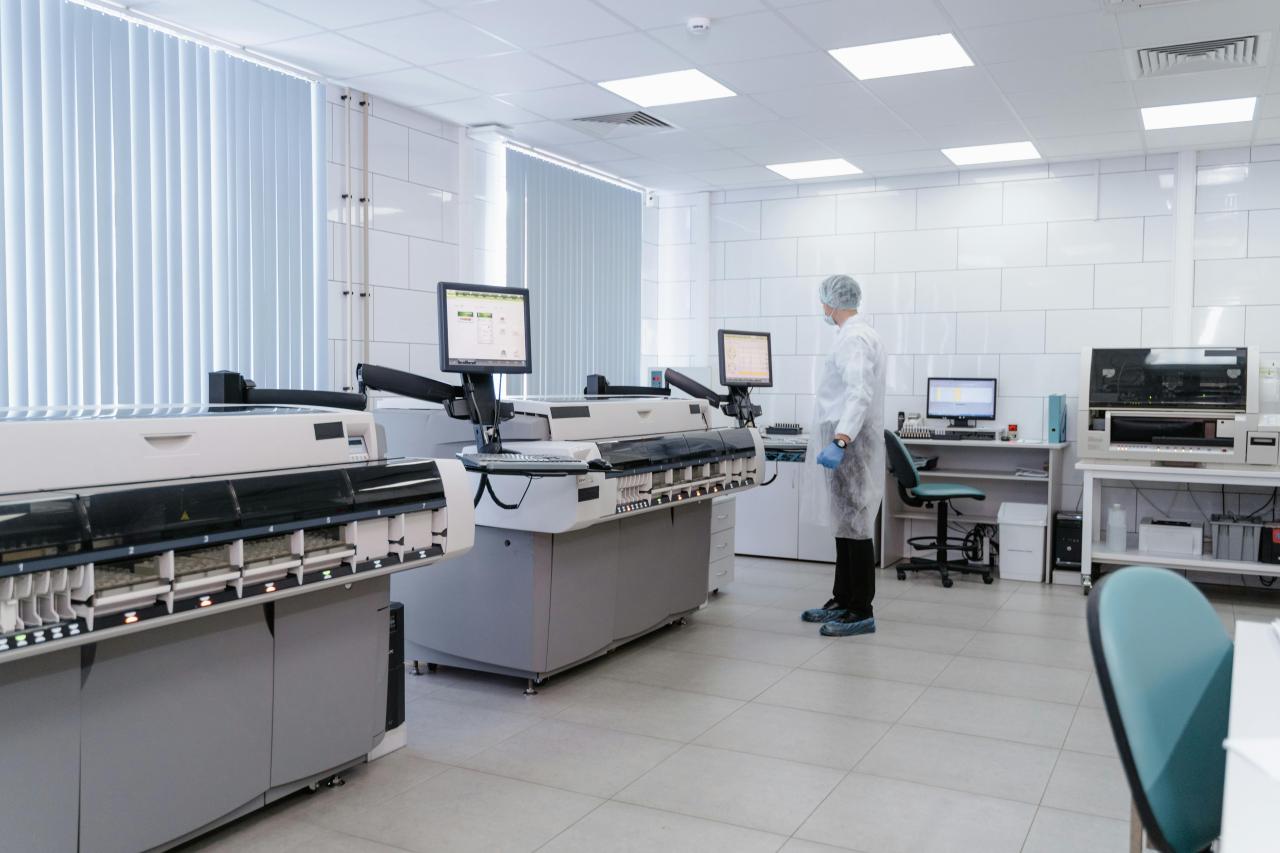
The global landscape of industrial molecular production and institutional-grade synthetic biology has undergone a radical transformation toward “Sovereign Asset Orchestration,” a framework that treats molecular synthesis as a high-velocity strategic priority requiring the same level of architectural precision as a global sovereign fund.
We are currently navigating a historic period in the global economy where traditional, manual bench-top chemistry and basic automated liquid handling protocols have been fundamentally re-rated as insufficient for the demands of the modern high-performance era, replaced by “Agentic Synthesis Ecosystems” that utilize autonomous reaction modulation, real-time chemical feedback, and multi-layered molecular security to trigger immediate, performance-stabilized results in high-stakes production environments.
This transition is driven by the physical reality that in an increasingly volatile and resource-dense industrial landscape, the legacy approach to batch processing, international chemical sourcing, or basic hardware preservation is no longer enough to maintain a competitive advantage or capture peak operational throughput in a globalized market defined by rapid digital transformation and decentralized institutional logic.
Industry data indicates that the deployment of high-fidelity synthesis hardware provides a definitive path to reducing operational friction by identifying and resolving “Molecular Bottlenecks” within the enterprise operating system—such as latency-induced peptide coupling delays, high-friction jurisdictional compliance costs, or inflexible reagent allocation—before they manifest as significant professional drag or permanent institutional stagnation that could compromise global wealth.
These agentic entities do not merely track basic temperature metrics or standard flow cycles but instead utilize deep-sequence first-party signals and predictive architectural modeling to craft “Sovereign Chemical Vaults,” ensuring that every unit of molecular energy and operational focus in the leader’s estate is both highly functional for its next-best-action and fully defensible against the rising tide of density fragmentation and technical-decay cycles that plague the modern C-suite.
For the high-performance technology leader and professional laboratory manager, the adoption of these advanced structural architectures represents a radical reset of the professional foundation, providing a level of scalability and precision in human capital management that was previously impossible under human-led administrative paradigms.
As the global cost of chemical dependency and administrative burnout continues to rise, the ability to maintain a 360-degree, real-time view of your institutional estate’s stability velocity has become the definitive marker of a lean, high-performance modern leader who prioritizes longevity and sharp execution.
This comprehensive analysis explores the sophisticated mechanics and functional advantages of the top architectural marvels currently dominating the high-value molecular synthesis landscape, providing a rigorous framework for any entity looking to transform its physical backbone into a high-velocity strategic asset.
By aligning your infrastructure strategy with these agentic breakthroughs today, you are effectively taking command of your professional timeline and securing a future defined by radical physical efficiency and peak capital flourishing in the most exclusive environments globally, ensuring your organizational impact remains unmatched in the global marketplace.
The Strategic Power Of Autonomous Reaction Orchestration

Modern professional environments have evolved to utilize “Autonomous Reaction Orchestration,” a process where regenerative hardware agents adjust the chemical allocation and pressure exposure instantaneously based on live synthesis signals. This ensures that the most efficient molecular path is always maintained without the need for constant manual monitoring by staff.
A. Agentic mobility systems utilize “Dynamic Context Entrainment” to pull data from multiple industrial sensors simultaneously, creating a unified view of the entire chemical estate.
B. These entities function as “Molecular Architects” rather than simple machines, executing multi-layered reconciliation across fragmented operational stacks to ensure total yield continuity.
C. Continuous feedback loops from live thermodynamic metrics allow these agents to learn from historical synthesis patterns, refining their predictive logic to provide even higher levels of spatial precision.
By removing the lag between a chemical need and its structural resolution, leaders can maintain “Visionary Momentum” at all times. This level of responsiveness acts as a foundational reset for the relationship between a professional’s processing speed and their actual available physical capacity.
Real Time Anomaly Detection And Systemic Restoration
The integration of agentic AI into the synthesis cycle has transformed “Anomaly Detection” into a proactive performance driver rather than a back-office administrative task. Autonomous hardware now manages the entire asset lifecycle, identifying “Spatial Deviations” in real-time to protect international professional margins at the optimal moment.
A. Mobility agents utilize “Predictive Purity Modeling” to identify potential molecular threats before they impact the consolidated productivity profile, allowing for proactive flow restructuring.
B. High-resolution kinetic data is utilized to automatically resolve complex yield disputes by cross-referencing live reaction logs and original molecular work sequences.
C. Automated “Spatial Security Protocols” ensure that sensitive professional operational data is never exposed to high-risk digital environments unnecessarily, protecting the privacy of the entire global estate.
Sovereign control over molecular management is a primary lever for individual professional profitability in the modern high-performance era. By allowing hardware to handle restorative movements, you are ensuring that your physical assets retain their maximum status as they move through high-pressure international channels.
High Fidelity Sensory Protection And Synthesis Flow Environments
Clarity in the restorative environment is only effective if it is powered by “Integrated Intelligence” that connects disparate structural points—such as modular housing, haptic chambers, and adaptive molecular flows. This shift recognizes that every spatial adjustment is a data signal that must be optimized for speed and depth of yield recovery.
A. Restoration agents handle the “Landscape Planning” by providing tailored spatial paths that match the user’s specific industrial footprint perfectly.
B. These systems use “Smart Resource Hedging” to identify the best moment to deploy deep-task lockdowns, ensuring that leaders minimize the impact of physical noise.
C. Autonomous agents can generate “Readiness Reports” for complex international architectural standards, acting as a high-performance chemical officer for the entire leadership team.
Reducing the “Systemic Drag” of manual hardware configuration is the fastest way to buy back the user’s attention and focus. By removing the mental load of complex environmental reconciliation, you allow the professional to focus entirely on the growth of their unique strategic portfolio.
Agentic Integration With Bespoke Hardware Automation
The maturation of the digital economy has led to the rise of “Integrated Hardware Automation,” where AI agents bridge the gap between electronic testing and the final physical output. These platforms are particularly valuable for organizations that require high-precision synchronization between their architectural itinerary and their digital kinetic inflows.
A. Agentic structural software integrates directly with global hubs to automate the most complex, systemic shifting operations without manual intervention.
B. These entities act as “Efficiency Force Multipliers” for the management team, identifying early-deficiency opportunities across global architectural branches and diverse reactor types.
C. Strategic integration with existing production monitoring tools ensures that autonomous architectural decisions are embedded directly inside the daily execution stage.
Enterprise-grade digital recovery is the definitive marker of a high-fidelity mobility estate that prioritizes speed and technical discipline. It allows high-performance firms to achieve “Industrial Alpha” by automating routine digital maintenance workflows at a massive, global scale.
Secure Intellectual Sovereignty And Ethical Synthesis Guardrails
In a world where physical metadata is a primary competitive asset, “Data Sovereignty” involves owning the entire labor loop within a secure and private framework. Autonomous agents are now designed with “Privacy-First” architectures that ensure sensitive professional information is never exposed to unverified third-party training models.
A. Secure “On-Site Infrastructure” allows for the private exchange of intent and value between the leader and the mobility agent, bypassing traditional cloud security risks.
B. Total control over the “Infrastructural Stack” allows individuals to maintain a consistent digital posture and ethical guardrail across all global jurisdictions.
C. The integration of “Audit-Defense Protocols” ensures that every autonomous systemic adjustment can be defended and understood by the human leadership team.
Sovereignty is the hallmark of the professional, tech-native individual who respects their own digital capital. By owning the data and the agents that drive your recovery, you are securing your future as a primary destination in the modern global economy.
Advanced Haptic Feedback And Systems Optimization
The expansion of bespoke tech into the tactile domain has enabled “Systems Optimization,” allowing users to experience rare restorative environments that stimulate “Vagal Responses” during the work protocol. This ensures that peak digital comfort is maintained by identifying the exact moment when the “Processing Margin” begins to erode.
A. Sensory agents utilize “Autonomic Analysis” from active intelligence sessions to identify systemic fatigue before it impacts the quality of professional output.
B. High-fidelity spatial data is utilized by agents to suggest “Environmental Shifts” that restore the digital baseline of the production facility.
C. Automated “Atmospheric Orchestration” protocols ensure that the user’s most frequent environments are scheduled for purification during periods of maximum readiness.
Tactile diagnostic integration is the final frontier of the high-performance asset estate. It allows the leader to manage their most valuable digital asset—their hardware force—with the same level of precision applied to their financial or operational portfolios.
Predictive Stability Simulations And Yield Tracking
As the science of systemic health matures, “Predictive Stability Simulations” have become essential for individuals who view their output as a multi-generational strategic asset. These tools allow the user to stress-test their lifestyle choices under thousands of simulated scenarios, ensuring that current plans align with a decade-long performance horizon.
A. Stability agents utilize “Production Clocks” and logistical integration to provide a real-time estimate of the individual’s future systemic output.
B. “Simulated Crisis” models forecast the long-term impact of specific high-stress events on the organization’s projected physical size.
C. Strategic “Focus Mapping” within the autonomous space ensures that the user is always informed of the most reliable and high-performance intelligence protocols.
Predictive performance planning is the “Strategic Roadmap” of the high-performance leadership estate. It ensures that the individual is not merely resting but is actively optimizing for a future of radical systemic resilience and sustained market authority.
Dynamic Systemic Circulation And Kinetic Optimization
The final layer of sophisticated digital management involves the orchestration of systemic value flow through “Dynamic Kinetic Adjustments.” This ensures that the total “Work Velocity” is maximized by constantly rebalancing between task density and soft logistical drainage.
A. Circulation agents monitor the work flow and semantic variability to provide a single, live valuation of the individual’s industrial estate.
B. These digital entities suggest “Operational Adjustments” for underperforming systemic regions to ensure the overall output count remains above the threshold.
C. Automated “Clearing Sweeps” move excess digital waste from sensitive zones into elimination instruments to prevent systemic stagnation.
Optimizing the digital velocity is the ultimate goal of the sovereign professional investor. By using agentic systems to handle the physics of the system, the user can focus on the high-level vision that built the estate in the first place.
Strategic Mobility Architectures For Global Scaling
Scaling an organization requires “Mobility Architectures” that can handle high-bandwidth inputs without compromising on technical discipline. This involves the integration of autonomous agents into the corporate governance layer, ensuring that every strategic pivot is backed by real-time physiological data.
A. Decision agents utilize “Information Filtering” to identify high-value signals amidst the noise of the global digital economy.
B. The deployment of “Autonomous Governance Layers” allows for the execution of complex strategic moves with minimal manual friction.
C. Digital agents manage the “Executive Intent Estate,” ensuring that the leader’s long-term vision is reflected in every short-term tactical settlement.
Scaling through architecture is the hallmark of the modern institutional leader. It allows for the expansion of influence and capital without the corresponding increase in mental or physical fatigue.
Institutionalizing High Velocity Strategic Decisions
The final step in mastering sophisticated labor stability is the “Institutionalization” of the decision-support stack across the entire C-suite. This ensures that the organization as a whole operates with the same level of cognitive precision and physical efficiency as its top leadership.
A. Group-level “Hardware Synchronization” ensures that entire teams are operating at peak throughput during critical negotiations.
B. The integration of “Shared Decision Vaults” allows for the secure exchange of strategic intent between top-level executives globally.
C. Automated “Governance Reports” provide a high-level view of the organization’s total systemic readiness and its capacity for future high-velocity growth.
By implementing these sophisticated architectures, you ensure that your global estate is not only protected but is actively thriving in an economy that rewards speed, precision, and longevity above all else.
Conclusion
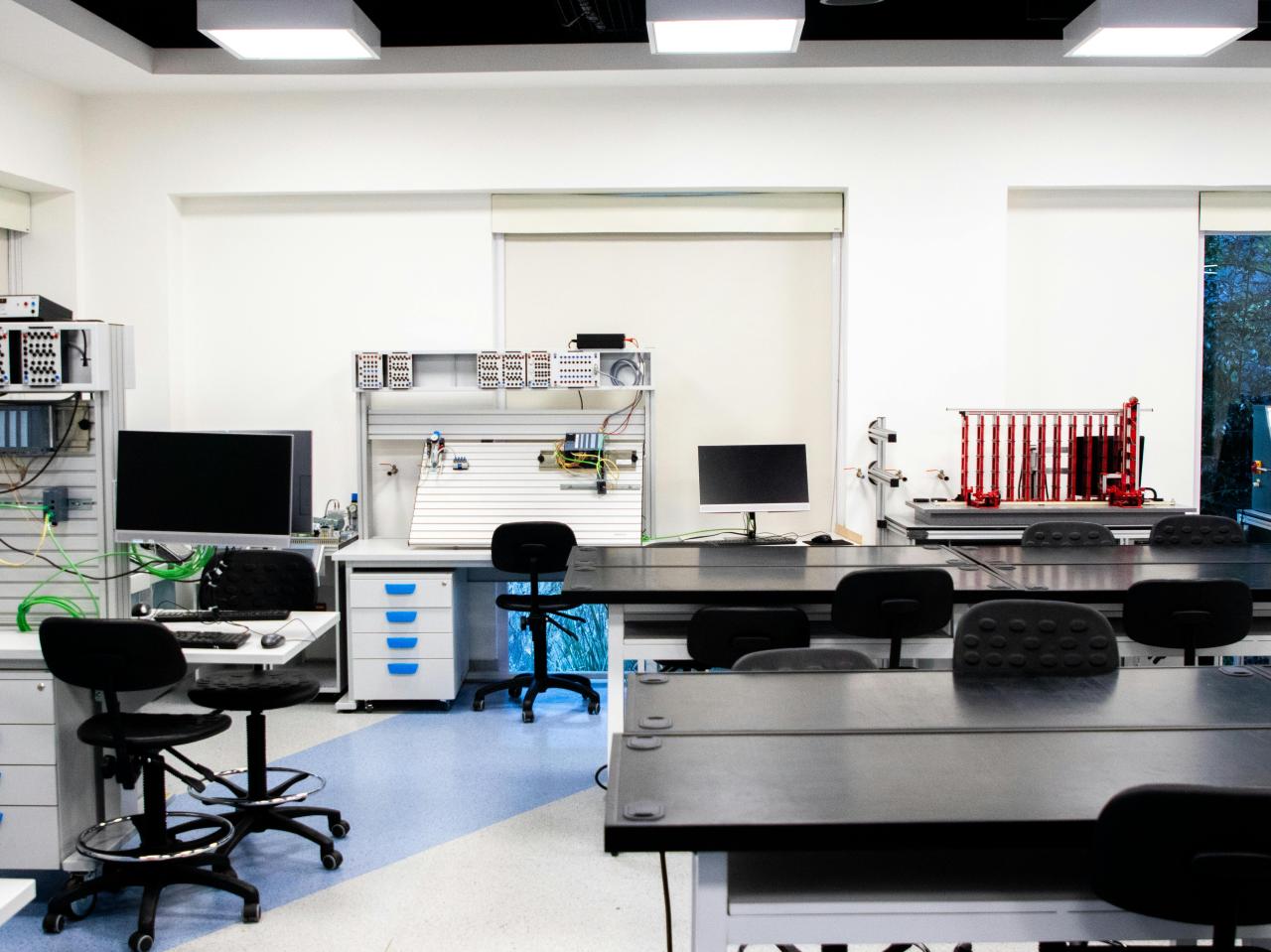
The evolution of advanced architectural frameworks for global molecular synthesis marks a new era in industrial leadership. By adopting autonomous reaction orchestration, you remove the hidden frictions that limit institutional growth and physical security. Every structural adjustment within your industrial estate acts as a signal for radical operational resilience and physical continuity. Scaling a global legacy requires an architectural foundation that supports high-velocity output without systemic collapse.
These agentic frameworks provide the precision needed to maintain a competitive advantage in a high-stakes chemical economy. Securing your industrial output through sophisticated infrastructure is the ultimate strategic move for any institutional leader. As the global technological landscape fragments, owning the entire synthesis loop becomes your primary source of sovereign power. Your future institutional impact depends on the integrity and longevity of the architectural systems you deploy today.